Crafting orders, delves and the auction house now feed most Midnight gold
Gold in Retail’s Midnight expansion arrives mainly through three channels: crafting orders, delve runs and auction house sales. Which one dominates depends on the character’s professions, gear and the time a player can spare, according to community discussion across several realms.
Not every player earns every coin in-game. Some choose to pick up WoW Gold from outside vendors and spend their evenings on content instead, while others treat each coin as part of the game’s own loop. Both groups end up spending through the same three channels once the gold is in the bag.
Crafting orders sit at the centre of the current economy. A player posts a request, supplies materials or lets the crafter provide them, and a crafter at level 90 fills it for a tip. Crafters with a strong specialisation tend to see regular requests, and those who stay online during busy evenings see the most.
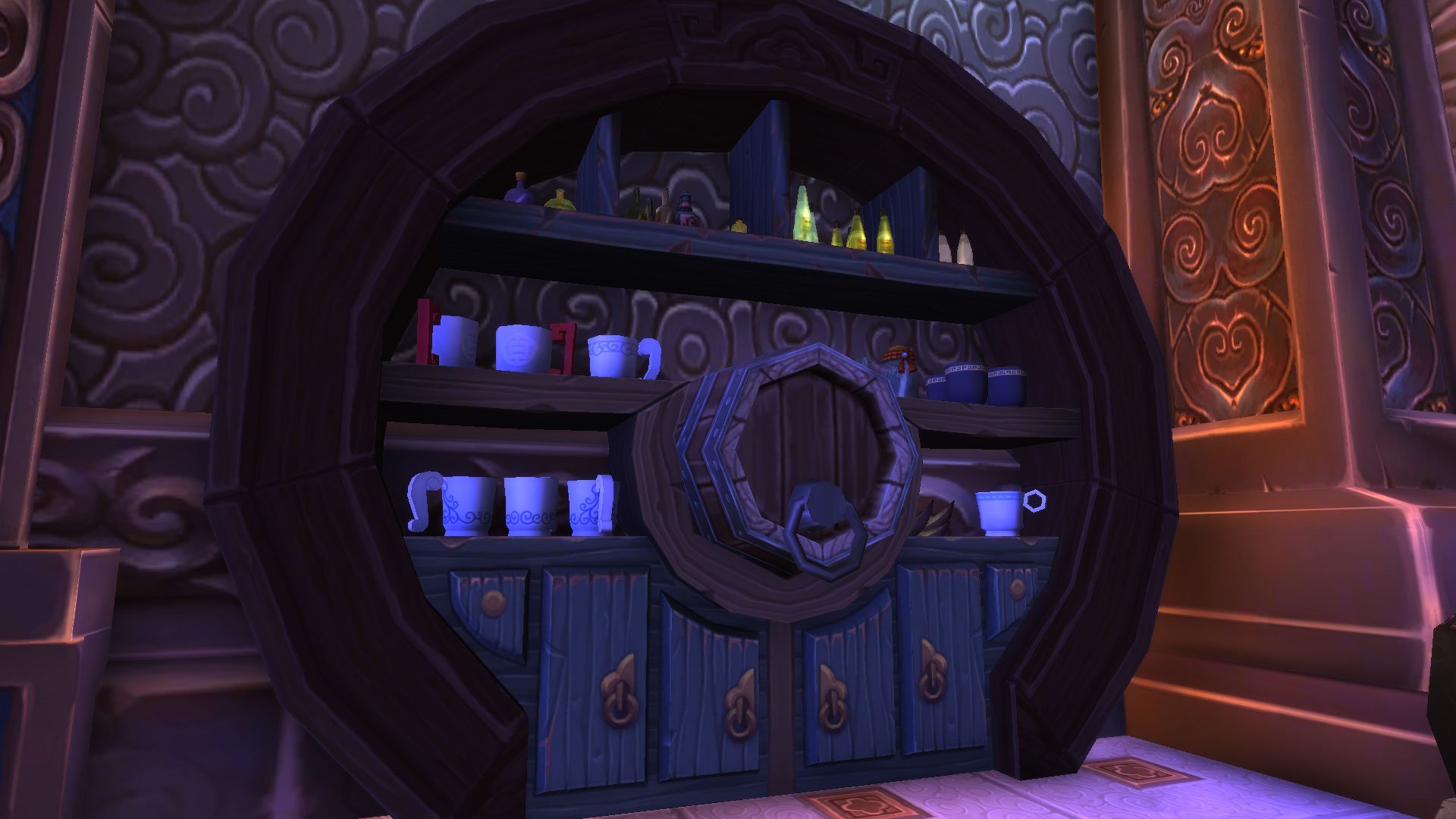
Delves are the second source. These short, instanced runs reward loot that vendors and the auction house convert into gold. The solo-friendly tiers have turned them into a common weeknight routine, especially for players who cannot commit to a full group.
The auction house is the third, and the slowest to master. Players list crafted goods, spare materials and tradable gear, then wait for buyers. A watched price history and a steady posting habit usually separate consistent sellers from occasional ones.
Background
Earlier expansions leaned harder on raw farming. Gathering routes through open zones still work, and herbs, ore and cloth continue to move on most realms, but they now compete with crafted goods that tend to sell at a better margin. Veteran players say the shift rewarded those who learned a profession early. Newer arrivals often find that two complementary professions pay more steadily than one profession done alone, since materials from one feed the other.
Gathering has not vanished. Many crafters still collect their own materials, since it removes a purchase from the chain and keeps the route familiar. Others prefer to buy materials in bulk on the auction house and spend their time crafting.
Classic realms
Classic realms follow a different pattern. Gold there still comes mostly from farming mobs and nodes, selling to vendors and posting on the auction house, since crafting orders do not exist in that version of the game. Prices on those realms are shaped by population, and busy realms behave differently from quiet ones.
Gold is the one number everybody in the game checks, no matter which realm they log into.
Guilds and shared storage
Guilds add another layer. Shared guild bank tabs hold materials for raiders, and officers often tell newer members which crafted items are worth stocking before a new season starts. Members who contribute spare herbs or ore are usually the first to hear about open crafting requests.
No single route is described as the best.
Realm size matters too. On a crowded realm, popular goods sell quickly and prices swing fast, so sellers who check twice a day tend to do well. On a quiet realm, listings linger, and patience matters more than speed.
No single route is described as the best. Players who craft talk up orders, delvers talk up the loot, and traders talk up timing. Most mix at least two of the three, and many adjust the blend as a season goes on.
What players agree on is the direction of travel: more ways to earn, more ways to spend, and a market that rewards people who check it regularly. How each person fills the gap is left to them. Observers expect the mix to keep shifting as new content arrives and as crafters, delvers and traders react to each other.
