The landscape of dungeons in World of Warcraft has transformed dramatically since the game’s inception. From the sprawling, labyrinthine designs of Classic dungeons to the more streamlined and accessible heroics introduced in the Mists of Pandaria expansion, each iteration has brought unique challenges and gameplay experiences. The evolution is not merely a matter of aesthetics but reflects changes in player expectations, game mechanics, and design philosophy. In this guide, we will explore the significant milestones in dungeon design, examining how they have shaped the player experience and contributed to the game’s enduring popularity.
Classic Dungeons: The Labyrinths of Azeroth
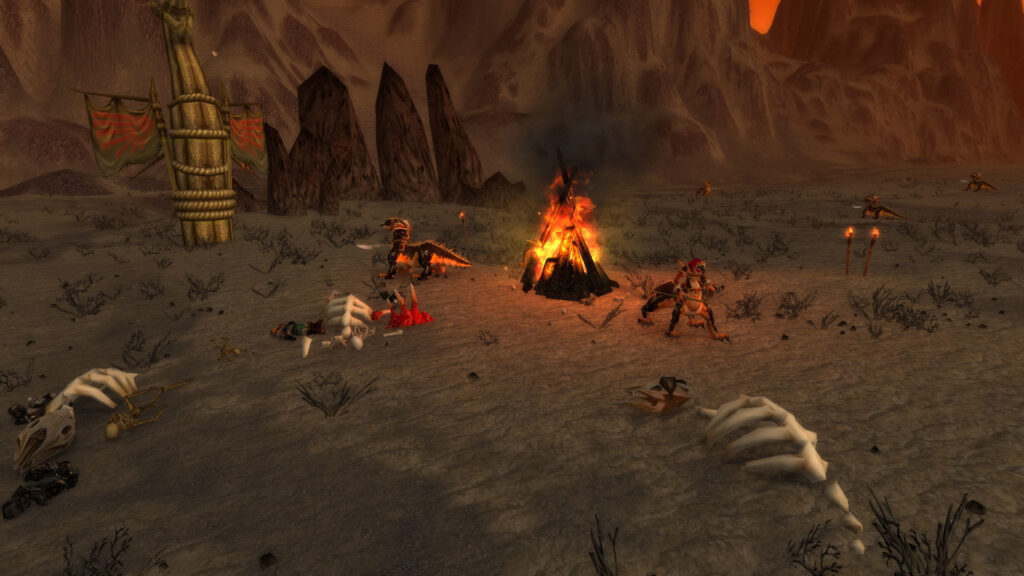
The original dungeons in World of Warcraft were designed as massive, intricate mazes that encouraged exploration and teamwork. Instances like the Deadmines and Scholomance required players to navigate through complex layouts filled with hidden chambers and deadly traps. These dungeons were often 10-man affairs, demanding strong communication and coordination among players. Mechanics such as crowd control, aggro management, and line of sight (LoS) played critical roles in successful runs. Players would often wipe multiple times against challenging bosses, honing their skills and strategies in the process. The depth of these encounters fostered a sense of achievement and camaraderie, making dungeon runs memorable social experiences.
The Burning Crusade: Introducing Heroics
The Burning Crusade expanded the dungeon experience by introducing heroic modes, which provided players with a higher difficulty level and better loot. Heroic dungeons like Shattered Halls and Mechanar required well-geared players who had mastered their classes and could execute mechanics flawlessly. This expansion marked a shift towards a more structured approach, where players needed to understand their rotations and optimize their gear for specific encounters. The introduction of daily heroic quests also encouraged players to revisit these dungeons regularly, creating a metagame around maximizing rewards. As a result, the community began to develop strategies and guides, leading to a more informed player base.
Wrath of the Lich King: A Narrative Shift
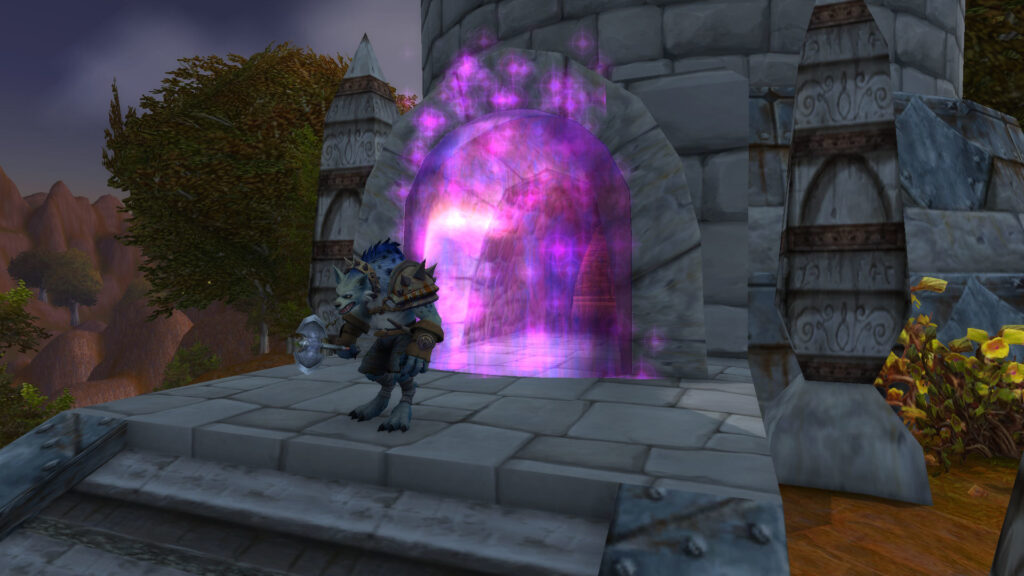
Wrath of the Lich King further refined dungeon design by blending storytelling with gameplay. Dungeons like Trial of the Champion and Forge of Souls incorporated narrative elements that made encounters more immersive. The introduction of the Dungeon Finder tool in this expansion revolutionized how players accessed content, allowing them to quickly form groups without needing to travel to the dungeon entrance. This accessibility led to a significant increase in player participation, but it also resulted in a shift in community dynamics, as players often prioritized speed over strategy. The balance between efficiency and enjoyment became a topic of discussion, particularly in high-level content where parsing and performance became paramount.
Cataclysm: The Return to Complexity
With Cataclysm, Blizzard aimed to recapture some of the complexity of Classic dungeons while also catering to the evolving player base. Dungeons like Blackrock Caverns and Throne of the Tides reintroduced intricate mechanics and required players to adapt to new challenges. The expansion emphasized the importance of communication and coordination, particularly in encounters featuring mechanics like interrupting spells or managing adds. The increased difficulty of these dungeons led to a resurgence of the “wipe and learn” mentality, as players needed to experiment with tactics and gear setups to overcome obstacles. The push for challenging content also saw the rise of guilds focused on dungeon progression, further solidifying the social aspect of the game.
Mists of Pandaria: Streamlined Heroics
Mists of Pandaria marked a significant turning point in dungeon design with the introduction of streamlined heroics. Dungeons like Shado-Pan Monastery and Siege of Niuzao Temple were designed to be accessible yet engaging, with mechanics that were easier to grasp for newer players while still challenging for veterans. The focus shifted towards shorter, more efficient runs that could be completed within a reasonable timeframe, allowing for quicker rewards. This change reflected a broader trend in gaming towards instant gratification and reduced downtime. The introduction of scenarios further diversified the dungeon experience, providing players with a variety of challenges outside traditional five-man content. As a result, dungeons in MoP became less about the grind and more about the thrill of the encounter.
Conclusion: The Future of Dungeons
The evolution of dungeons in World of Warcraft has mirrored the changing landscape of player expectations and gaming trends. Each expansion has brought innovations that have redefined the dungeon experience, balancing complexity with accessibility. As we look to the future, it will be intriguing to see how Blizzard continues to adapt dungeon design to meet the needs of a diverse player base. The lessons learned from past expansions will undoubtedly inform the next generation of dungeons, ensuring that they remain an integral part of the World of Warcraft experience. Players can anticipate a blend of nostalgia and innovation that honors the rich history of dungeons while also paving the way for exciting new adventures.
| Expansion | Key Features | Notable Dungeons |
|---|---|---|
| Classic | Massive labyrinths, teamwork essential | Deadmines, Scholomance |
| The Burning Crusade | Heroic modes, daily quests | Shattered Halls, Mechanar |
| Wrath of the Lich King | Story-driven, Dungeon Finder | Trial of the Champion, Forge of Souls |
| Cataclysm | Complex mechanics, wipe and learn | Blackrock Caverns, Throne of the Tides |
| Mists of Pandaria | Streamlined heroics, scenarios | Shado-Pan Monastery, Siege of Niuzao Temple |
- Understanding dungeon mechanics is crucial for success.
- Communication and coordination can make or break a run.
- Gear optimization plays a significant role in performance.
- Embrace the learning curve; wiping is part of the experience.
- Dungeons are a social experience; build relationships with your team.
