
Crafting knowledge systems have transformed professions into long-term progression paths rather than short-term conveniences. Advancement is no longer front-loaded; instead, value accumulates through steady investment, experimentation, and time.
This structure rewards players who commit early and remain consistent across an entire season.
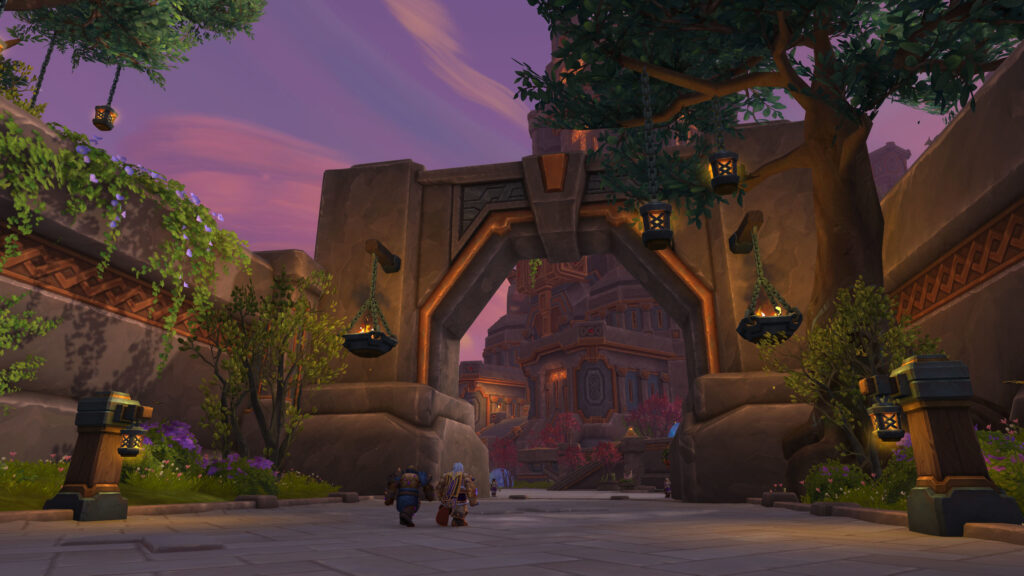
From Immediate Power to Gradual Mastery
Older profession models delivered most of their value quickly. Once recipes were learned, progression plateaued.
Knowledge systems replace that plateau with continuous growth.
Why Time Investment Matters
Knowledge points unlock efficiency, specialization depth, and reliability. These advantages compound slowly, making early and consistent engagement valuable.
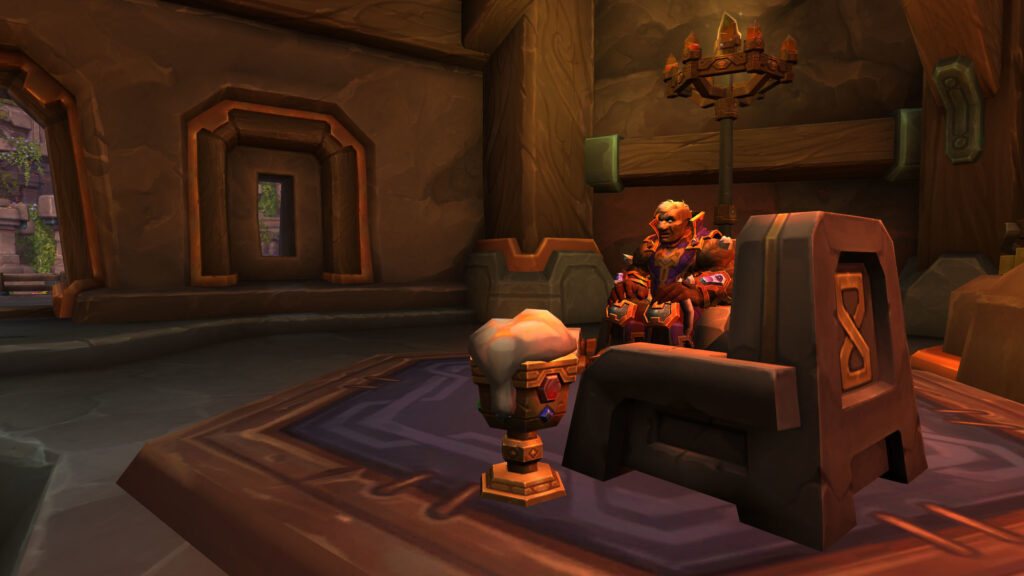
Late adopters can participate, but rarely compete at the same level.
Benefits That Accumulate Through Knowledge Progression
Long-term commitment unlocks advantages beyond raw output.
- Higher craft quality with fewer materials
- Access to niche, high-demand recipes
- Greater control over crafting outcomes
- Reduced reliance on market volatility
These benefits strengthen both consistency and profitability.
Specialization Creates Identity
Knowledge paths encourage specialization. Crafters become known for specific services rather than generic production.
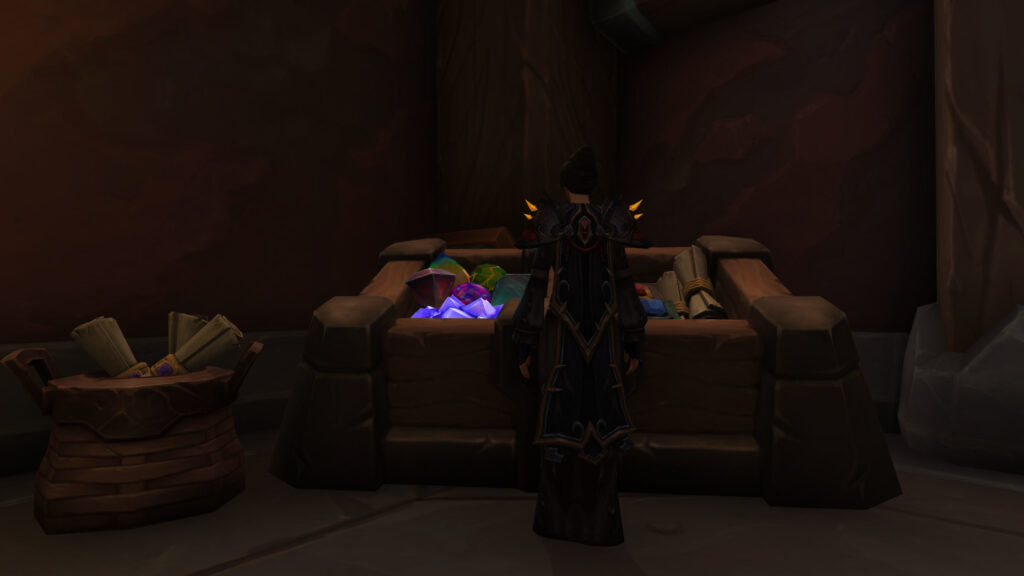
This identity builds reputation and repeat demand.
Balancing Catch-Up With Commitment
While catch-up exists, it rarely erases early advantages entirely. The system respects long-term effort without locking out newcomers.
This balance preserves fairness and motivation.
Conclusion
Crafting knowledge progression rewards long-term commitment by turning professions into sustained progression systems. Through gradual advantages and specialization depth, consistent investment becomes the defining factor behind crafting success.
